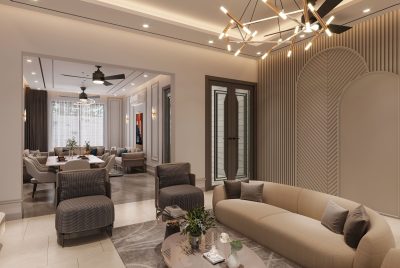
Best Pendant Lamps For The Dining Room
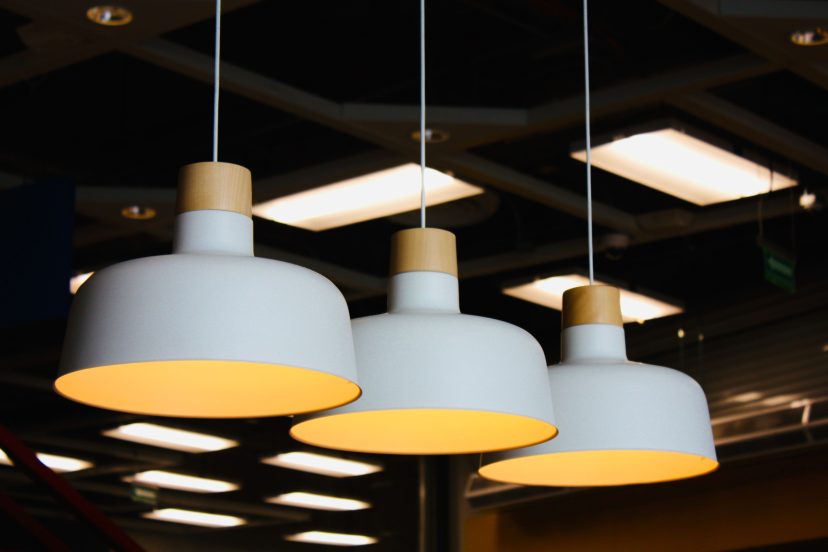
We may earn a commission for purchases made using our links. Please see our disclosure for more details.
A dining room pendant must do more than look beautiful in a product photo. It needs to illuminate the table without shining into anyone’s eyes, suit the furniture’s proportions, and feel right during both weekday breakfasts and long evening meals. That balance can make choosing Pendant Lamps surprisingly tricky.
This guide will help you compare fixture size, hanging height, shade materials, bulb quality, installation needs, and style. You will also find six distinct recommendations, from a renter-friendly plug-in design to statement glass and woven-rattan options. By the end, you should know what belongs over your table—not merely what looks appealing on a screen.
What Makes Pendant Lamps Right for a Dining Room
Pendant Lamps bring light closer to the table and establish a natural focal point. In an open-plan home, that focal point defines the dining area without adding a wall.
The fixture should still support conversation. Look for comfortable downward light, controlled glare, and open sightlines. Remember that it remains prominent when switched off, so its shape and finish should work as part of the room all day.
Measure the Table Before You Shop
Record the table’s length, width, shape, and center point before considering fixture dimensions. The light should feel connected to the furniture below it, not merely sized for the room.
Keep the shade or fixture span narrower than the tabletop, then test the proposed scale with cardboard or paper suspended temporarily overhead. This quick mock-up reveals blocked views and undersized designs more clearly than measurements alone.
Choose the Right Hanging Height
A useful starting point places the fixture’s lowest edge about 30 to 36 inches above the tabletop. However, shade opacity, ceiling height, glare, and household members’ heights can shift that position.
Sit on every side before fixing the cord or downrod. You should see faces without staring through a bright bulb. Then stand and walk around the table to check head clearance and overall balance.
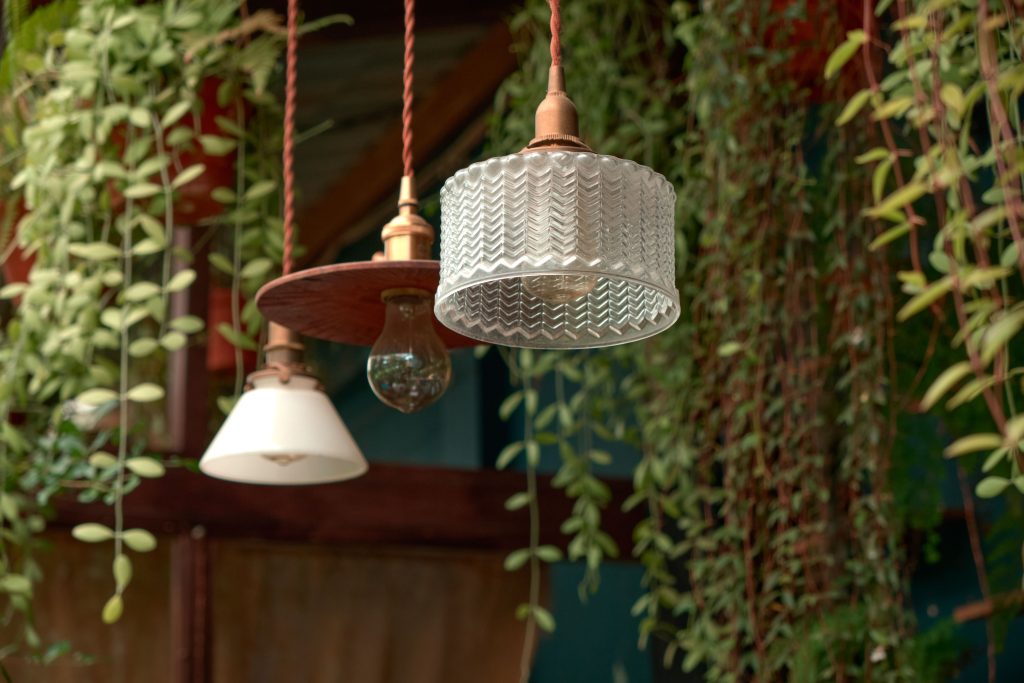
Match the Fixture Shape to the Table
Round tables pair easily with globes, domes, and clusters. Rectangular tables can suit a linear pendant, two or three repeated shades, or one broad centerpiece.
You can also use contrast. A soft woven globe may relax a sharp-edged table, while clear glass can lighten visually heavy furniture. Whatever shape you choose, its overall weight should relate to the tabletop rather than competing with it.
Decide Between One Statement Light and Several Pendants
One large fixture creates a simple centerpiece and suits round tables or visually busy rooms. Several Pendant Lamps can spread light more evenly along a rectangular table.
For multiple fixtures, space them from the table’s centerline and check where serving dishes usually sit. More pendants also mean more cords, shadows, and hardware, so choose a group for useful coverage and proportion—not drama alone.
Pick a Shade Material That Controls Glare
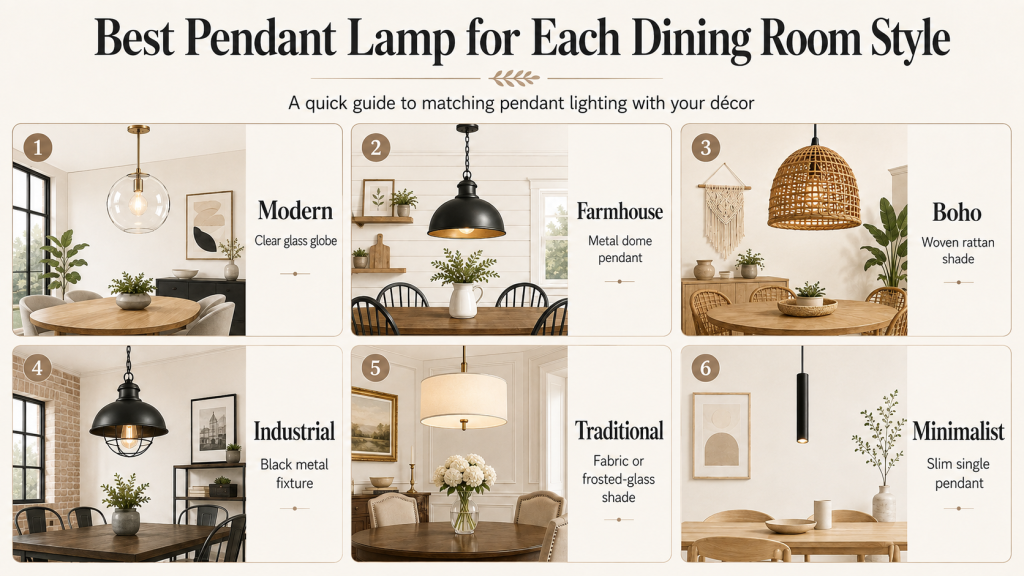
Clear glass preserves sightlines but exposes the bulb and shows dust. Frosted glass diffuses light more gently, while metal shades direct illumination downward and may leave the ceiling darker.
Linen creates softness; rattan adds texture and patterned shadows. Also consider upkeep. Smooth glass or metal wipes clean quickly, whereas woven construction takes more patience. The right shade supports both your preferred mood and realistic cleaning habits.
Choose Bulbs for Warmth, Brightness, and Color
Check the socket, maximum wattage, bulb dimensions, and dimmer compatibility. Then compare lumens for brightness instead of treating wattage as light output.
Warm white bulbs around 2700K to 3000K suit many dining rooms, while good color rendering helps food, wood, and textiles appear natural. With exposed-bulb Pendant Lamps, choose frosting or gentler output if the bulb sits near eye level.
Best Pendant Lamps for the Dining Room
These six Pendant Lamps cover different aesthetics, ceiling conditions, budgets, and installation limits.
| Product | Best suited to | Installation | Shade or finish |
| Nathan James Leigh | Statement centerpiece | Hardwired | Clear glass, vintage brass |
| Linea di Liara Effimero Small | Small tables or repeated rows | Hardwired | Clear glass, brushed nickel |
| FRIDEKO HOME Rattan | Boho or coastal rooms | Hardwired | Woven rattan |
| DEWENWILS Farmhouse | Rustic rooms, sloped ceilings | Hardwired | Metal, wood-grain finish |
| DEWENWILS Plug in | Renters, flexible layouts | Plug-in | Beige linen |
| Kira Home Belle 9-Inch | Compact contemporary spaces | Hardwired | Chrome metal |
Nathan James Leigh Pendant Lighting, Vintage Brass/Clear
Best for: A statement fixture over a medium or large table
The Leigh combines an oversized clear-glass dome with a vintage-brass finish, adjustable hanging cord, and E26 socket. Its transparent shade adds presence without creating a solid visual barrier, which helps in open dining areas. However, the visible bulb needs careful selection, and the large glass surface will show dust readily.
Linea di Liara Effimero Small Pendant Light, Clear Glass
Best for: Small dining nooks or a coordinated row over a long table
The Effimero Small has a narrow clear-glass shade, E26 socket, adjustable stem, and sloped-ceiling compatibility. Its slim profile suits tight rooms and multi-light arrangements where bulky shades would crowd the view. One fixture may look undersized above a broad table, so compare its compact dimensions with your furniture first.
FRIDEKO HOME Rattan Pendant Light Fixture L02159-02-US
Best for: Adding natural texture to boho, coastal, or relaxed rooms
This fixture pairs a hand-woven rattan shade with an adjustable cord and E26 socket. The open weave provides texture even when the light is off, while its airy form avoids visual heaviness. Still, it produces patterned shadows and less uniform diffusion than frosted glass or fabric, which may matter during tasks.
DEWENWILS Farmhouse Pendant Light HHPL05A
Best for: Rustic interiors that need a stable, rod-hung fixture
The HHPL05A uses a metal shade with a wood-grain-style finish, an E26 base, and adjustable rigid pipes for flat or sloped ceilings. Its downward-facing form focuses light toward the table and avoids a looping cord. Because its finish and silhouette lean strongly farmhouse, it offers less flexibility in sleek minimalist rooms.
DEWENWILS Plug in Pendant Light HPIP09A
Best for: Renters or rooms without a convenient ceiling junction box
This plug-in model includes a beige linen shade, 15-foot clear cord, inline switch, and E26 socket. It can position light above a table without hardwiring a new fixture, making future layout changes easier. The trade-off is a visible cord and ceiling-hook arrangement rather than the seamless appearance of a built-in light.
Kira Home Belle 9-Inch Modern Industrial 1-Light Pendant Light
Best for: Compact contemporary dining areas or sloped ceilings
The Belle has a chrome metal shade, adjustable hanging length, and swivel joint for sloped-ceiling placement. Its compact nine-inch scale works over a small table or in a repeated arrangement. Over a large table, one shade may feel visually slight and create a narrower pool of light than the dining surface needs.
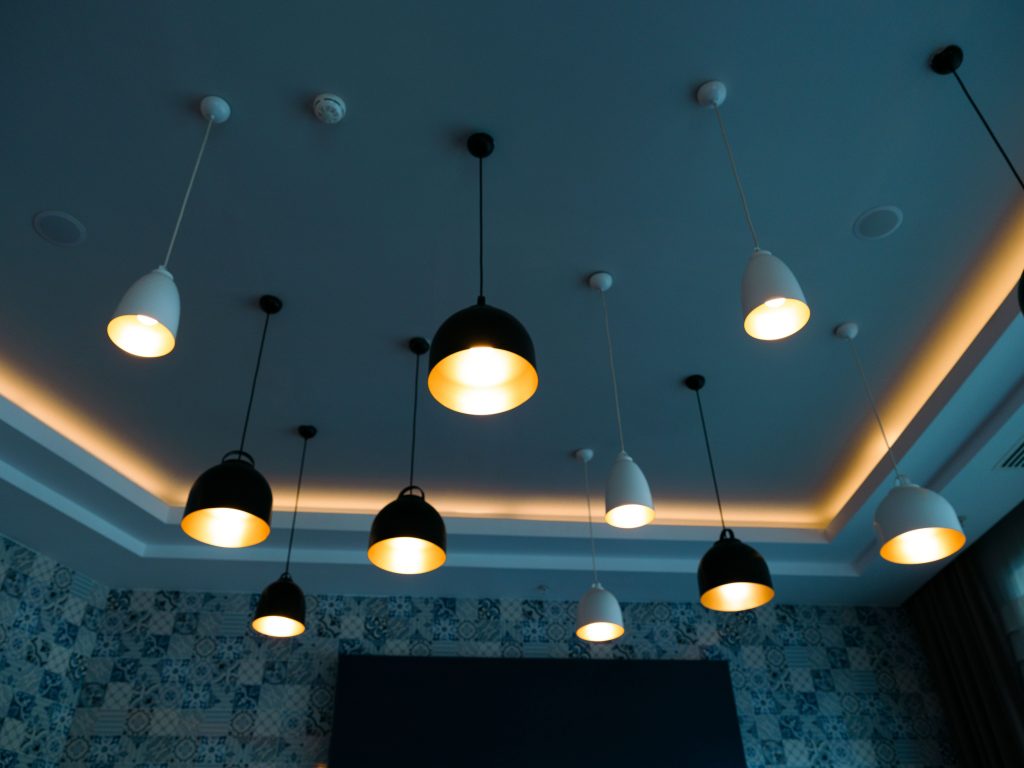
Research-Backed Lighting Guidance That Matters
ENERGY STAR’s brightness guidance, accessed in 2026, explains that lumens measure light output and associates about 800 lumens with the brightness of a traditional 60-watt bulb. That figure is a reference, not a rule: shade opacity, fixture count, and other room lighting change what feels comfortable.
Its fixture and color-temperature guidance places warmer light in lower Kelvin ranges and notes that successful dimming depends on compatible bulbs, fixtures, and controls. Verify all three rather than assuming any LED will dim smoothly.
The 2026 ANSI/IES/ALA residential lighting standard considers illuminance, color, equipment, controls, and room-specific design. Practically, a pendant should work with other light sources instead of carrying the entire room. The standard reflects professional consensus; it does not prove that one decorative style is universally best.
Finally, This Old House’s 2026 installation guidance suggests roughly 33 to 36 inches above a dining table. Treat this expert convention as a starting point and test sightlines and glare before locking the height.
Style Pendant Lamps With the Rest of the Room
A pendant need not match every finish. Instead, repeat one nearby detail—a metal tone, table curve, wood color, or natural fiber—so the contrast feels intentional.
If you are still shaping the room’s overall look, these trendy home decor ideas can help you coordinate statement lighting with color, texture, and furniture. Also judge Pendant Lamps from adjoining rooms, since they often sit on a long sightline.
Plan for Dimmers and Layered Lighting
Dining rooms handle meals, homework, crafts, and cleaning. Pendant Lamps paired with compatible dimmers can serve those different jobs.
Rather than increasing the pendant’s output until it feels harsh, add wall sconces, a shaded floor lamp, or nearby table lighting. These layers lift dark corners and reduce contrast, while the pendant remains focused on the dining surface.
Installation, Ceiling Type, and Electrical Safety
Confirm whether you need hardwired or plug-in Pendant Lamps, then check the ceiling slope, box location, canopy size, fixture weight, and adjustment range.
Follow the manufacturer’s directions and local requirements. The U.S. Consumer Product Safety Commission’s electrical checklist reinforces the importance of addressing damaged wiring and unsafe connections. Use a qualified electrician for new wiring, questionable ceiling boxes, or work you do not understand.
Common Buying Mistakes to Avoid
Do not choose by style alone. Check bulb requirements, dimming, adjustment range, ceiling compatibility, and maintenance before ordering.
Avoid judging scale from isolated product photos; create a full-size mock-up instead. Finally, do not use one painfully bright bulb to compensate for a tiny fixture over a long table. Better proportions, a broader beam, or layered light usually produces a more comfortable result.
Frequently Asked Questions About Pendant Lamps
How high should Pendant Lamps hang above a dining table?
Start around 30 to 36 inches from the tabletop to the fixture’s lowest point, then adjust for shade size, glare, ceiling height, and sightlines. Sit across from another person to confirm that the light does not block faces or expose an uncomfortable bulb.
How many pendants should I place over a rectangular table?
One broad or linear fixture can suit a shorter table, while two or three smaller pendants often spread light more evenly across a long one. Base the choice on illuminated span and proportions, not an automatic odd-number rule. Center the arrangement and space repeated shades consistently.
What size pendant works best over a dining table?
Choose a fixture that feels substantial but remains narrower than the tabletop. Compare its diameter or total span with the table’s width and length, then mock up the outline. Remember that clear glass reads visually lighter than an equally large opaque metal shade.
What bulb color is best for dining-room Pendant Lamps?
Warm white light around 2700K to 3000K suits many dining rooms because it creates a relaxed appearance without making finishes excessively yellow. Consider adjacent lamps too. Similar color temperatures usually look more cohesive than a mix of noticeably warm and cool-white bulbs.
Can I use a pendant light in a rental home?
Yes, especially a plug-in model that uses approved ceiling hooks and a wall outlet. Check your lease before drilling, adding anchors, or replacing a hardwired fixture. Route cords securely away from walkways, and keep original hardware if you must restore the room when moving.
Final Recommendation: Choose Scale and Light Quality First
The best Pendant Lamps begin with practical fit. Measure the table, mock up the fixture, test its hanging height from seated and standing positions, and choose a shade that controls glare. Then confirm bulb type, dimming, ceiling conditions, and installation needs.
The Nathan James Leigh gives an airy room a substantial clear-glass centerpiece. Renters may prefer the flexible DEWENWILS plug-in model, while the FRIDEKO HOME rattan fixture brings warmth to a relaxed dining space.
Choose the option that lights the dining surface comfortably and looks balanced when switched off. Style matters, but proportion, visual comfort, and adaptable lighting should lead the final decision.