Traditional Home Decor: A Practical Guide to a Timeless, Livable Look
We may earn a commission for purchases made using our links. Please see our disclosure for more details.
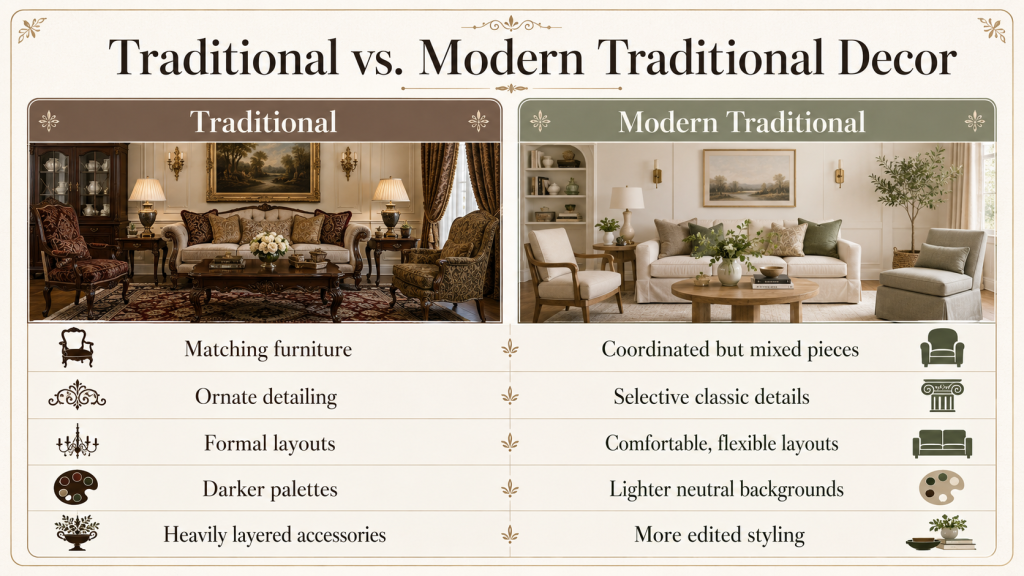
Traditional rooms can feel collected—or crowded and formal. Selection matters. You do not need matching furniture, ornate trim, or a centuries-old house. You need a clear palette, balanced shapes, useful furnishings, and compatible details.
This guide explains how to shop for traditional home decor with a practical eye: where to spend, which materials matter, and how affordable accents can carry the style. You will find six product recommendations plus safety, care, and longevity checks. The goal is classic design that serves your life. Rather than chasing a showroom-perfect result, build the look gradually around pieces that genuinely suit your household.
What Traditional Home Decor Really Means
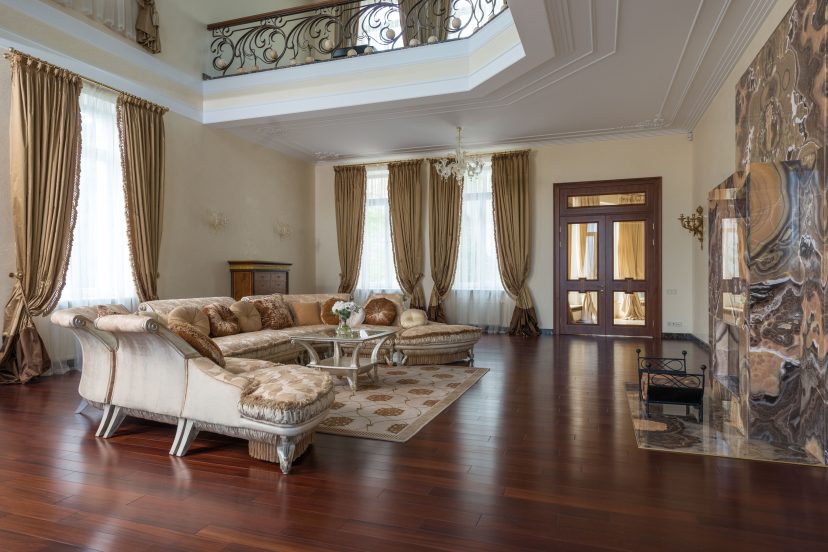
Traditional home decor draws from established European and American interiors without belonging to one period. Common ingredients include symmetry, warm wood, tailored upholstery, pattern, and aged metal.
Strong rooms borrow principles rather than copy history. Repeat colors, choose recognizable furniture silhouettes, and let one focal feature lead. Modern necessities and family photographs can stay. Traditional home decor should support daily life, not behave like a museum.
Choose a Color Palette That Feels Rich, Not Heavy
Use three layers: a quiet background, a deeper anchor, and a restrained accent. Warm white, oatmeal, taupe, or soft gray-green can cover large surfaces. Navy, forest green, burgundy, or chocolate can appear in rugs, upholstery, and curtains.
View samples in changing light. In a small or dim room, keep walls lighter and place depth lower through a rug or sofa. This preserves the richness of traditional home decor without visually shrinking the space.
Build the Room Around Symmetry and a Clear Focal Point
Symmetry creates ease: matching lamps on a console, two chairs opposite a sofa, or framed prints beside a bookcase. Balance need not mean duplication; a tall plant can counter a floor lamp.
Choose the focal point before buying accents. Let a fireplace, window, bed, table, or artwork organize the layout. A visual center makes it easier to reject pieces that compete rather than contribute.
Pick Furniture with Classic Lines and Livable Proportions
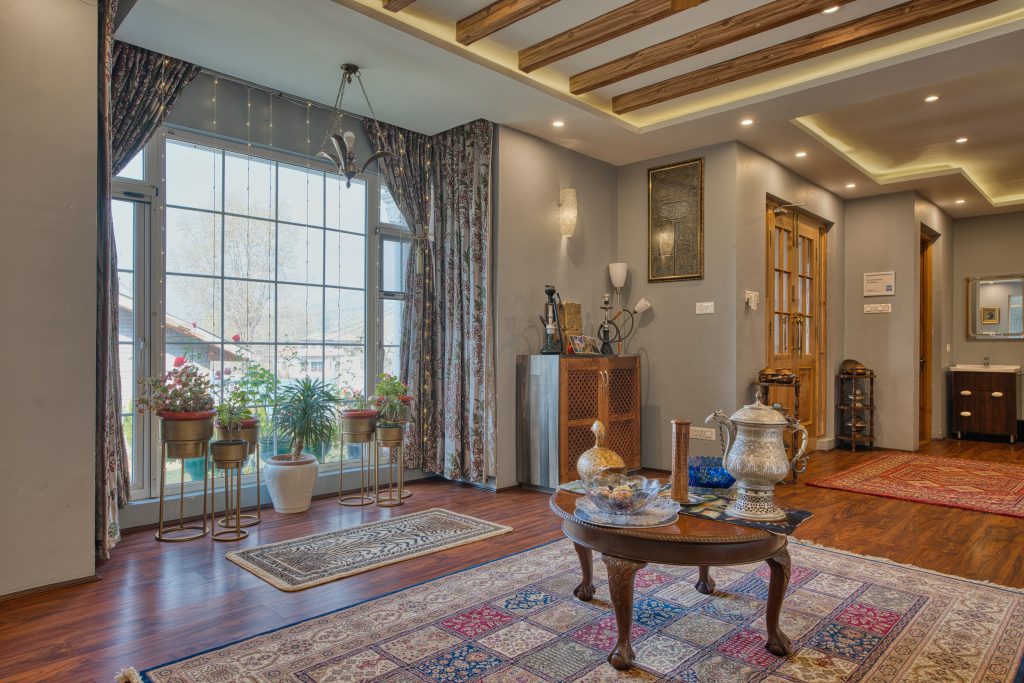
Look for silhouettes that outlast trends: rolled arms, turned legs, framed cabinet doors, pedestal tables, and tailored upholstery. One expressive chair or chest may establish the style while quieter pieces keep it relaxed.
Measure doorways, paths, and table clearances before ordering. Traditional home decor furniture often carries extra visual weight. For apartments, choose raised legs, shallow cabinets, and compact seating. In busy homes, prioritize cleanable upholstery and concealed storage.
Use Wood, Metal, and Stone Without Creating a Period Set
Traditional home decor feels collected when finishes relate without matching. Warm walnut, aged oak, antique brass, and creamy stone often cooperate. Cool gray may need repetition elsewhere.
Check care requirements. Marble can etch, unsealed stone can stain, and solid wood responds to moisture. On a limited budget, buy one tactile anchor, then support it with simpler accessories.
Layer Rugs, Curtains, and Patterns with Restraint
Begin with one leading pattern, such as a faded medallion, floral, stripe, or plaid. Add one smaller-scale companion and several solids. Scale changes prevent visual noise.
Measure curtain width and drop, not just the window opening. Long, wide panels can make windows appear larger. For rugs, tape the dimensions on the floor before ordering. Furniture may appear disjointed if the rug is too small.
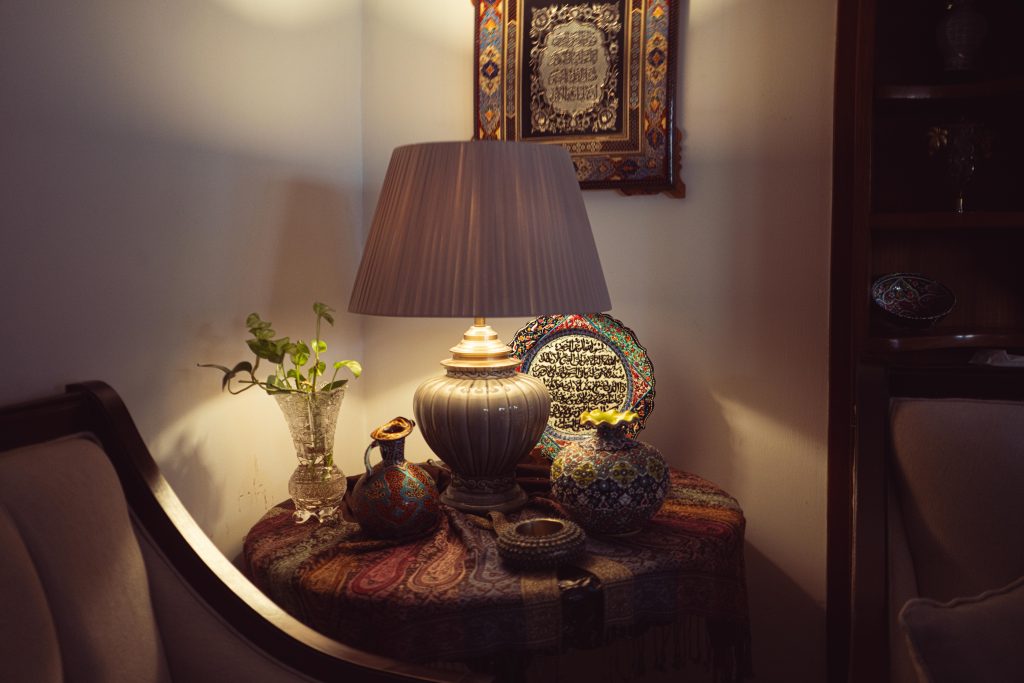
Make Lighting Part of the Decorating Plan
In traditional home decor, layer ambient, task, and accent lighting. A ceiling fixture or lamps establish general light; a bedside or reading lamp supports activity; a smaller light softens artwork, shelving, or a dark corner. Matching lamps feel formal; related lamps feel collected.
Check overall height, shade width, switch location, bulb base, wattage limit, and cord length. Match lamp scale to the surface.
Style Walls with Art, Mirrors, and Architectural Detail
Above a console, one substantial mirror or artwork often beats several small pieces. Gallery arrangements work when frames share a finish, mat color, or rhythm. Test the layout on the floor first.
Renters can add character with framed textiles, picture lights, strong curtain rods, and freestanding cabinets. Homeowners might consider molding or built-ins, but restraint matters. If you favor early American symmetry and warm wood, this guide to colonial home style shows how to adapt those ideas without creating a period set.
Adapt Traditional Home Decor for Small Spaces and Rentals
Edit the scale rather than abandoning the style. A narrow demilune table, arched mirror, patterned runner, pleated shade, or pedestal stand can communicate tradition without consuming much floor space. Dual-purpose furniture, such as a storage ottoman or drop-leaf table, earns its place.
Use walls thoughtfully. Tall curtains guide the eye upward, while a clock or framed pair adds presence without another cabinet. Keep pathways open and some surfaces empty.
Mix Antiques, Reproductions, and Modern Pieces
Antiques bring individuality, but inspect joints, drawers, odors, wobble, veneer, and repairs. Ask about return terms before buying fragile or oversized pieces online. Reproductions offer predictable dimensions; modern basics offer easier care.
Try one old focal piece, classic supports, and plain contemporary necessities. Avoid buying a complete “heritage” collection. A modern sofa beside an antique chest often feels more natural than a room where everything arrived together.
Recommended Traditional Home Decor Products
These six traditional home decor selections cover different jobs. Compare dimensions and care needs.
| Product | Best for | Key feature | Consideration |
| Loloi Layla LAY-03 Rug | Busy living areas | Low-profile motif | Add a rug pad |
| Regency Hill Francis Lamp | Bedside or console | Carved-look base | Bulb not included |
| Howard Miller Oscoda Clock II | Statement wall | Pendulum detail | Needs clear space |
| Kate and Laurel Arendahl Mirror | Entry or mantel | Arched gold frame | Measure first |
| Creative Co-Op Candle Holders | Tabletop styling | Metal pair | Use carefully |
| CRAFTSMAN ROAD Bookends | Bookshelves | Heavy cast iron | Check shelf strength |
Loloi Layla Olive/Charcoal 5′-0″ x 7′-6″ Area Rug
Best for: Busy living rooms needing a soft traditional anchor
This power-loomed polyester rug has a distressed printed motif and low 0.13-inch pile, so it fits more easily near doors and under furniture than a thick rug. The olive-and-charcoal palette adds age-inspired character without delicate antique textiles. Its canvas backing has no rubber, so add a suitable rug pad.
Francis 28 1/2″ Tall Table Lamp Carved Two-Tone Wood Urn Shaped Traditional, Beige Rectangular Shade
Best for: Classic bedside tables, consoles, or reading corners
This 28.5-inch lamp combines a carved resin base, two-tone faux-wood finish, and rectangular beige fabric shade. Its height suits a substantial nightstand or sideboard. The medium-base socket accepts a bulb up to the stated 60-watt maximum; confirm the shade dimensions suit your surface.
Howard Miller Oscoda Wall Clock II 549-563 – Americana Cherry Finish, Wrought-Iron, Antique Home Decor, Warm Antique-Gray Finished Pendulum
Best for: Creating a focal point without adding furniture
The Oscoda Wall Clock II combines an Americana Cherry finish, wrought-iron accents, and warm antique-gray pendulum. It suits a dining room, stair wall, or space above a console where the silhouette can breathe. Because the design already carries detail and movement, it may compete with a crowded gallery wall.
Kate and Laurel Arendahl Ornate Traditional Square Arched Mirror, 28 x 30, Antique Gold, Decorative Baroque Style Arch Vintage Mirror with Wide Frame and Ornamental Crown
Best for: Entryways, mantels, and compact rooms needing reflected light
This 28-by-30-inch mirror pairs an arched profile with a baroque-style crown and antique-gold finish. Its moderate size offers decorative impact without demanding a full-length wall. D-ring hangers support installation, though its mixed glass, MDF, metal, and resin construction still needs hardware suited to the wall.
Creative Co-Op Hand-Forged Metal Taper Candle Holders, Set of 2, Antique Brass Finish
Best for: Budget-conscious dining tables and mantels
This coordinated pair uses hand-forged metal and an antique-brass finish, adding height and warm contrast without another large object. Place them together for symmetry or separate them across a sideboard. Confirm taper candles fit securely, and never leave burning candles unattended or near curtains, greenery, children, or pets.
CRAFTSMAN ROAD Tree of Life Bookends, Antique Brass, 2 Decorative Bookends for Shelves or Bookcase, Cast Iron, Non-Skid Heavy Bookends
Best for: Readers who want decorative shelf support
These cast-iron bookends feature a tree motif, antique-brass finish, non-skid bases, and compact 3-by-5-by-6-inch dimensions. Each piece weighs more than three pounds, giving the pair useful support for upright books. That weight suits stable shelving but requires care on delicate finishes and lightly built floating shelves.
Use This Buying Checklist Before You Order
Define the item’s job, then record maximum dimensions, nearby colors, clearances, installation method, and care limits. Request textile swatches when available; verify electrical details for lighting; and check weight and hardware needs for wall decor.
Review returns, shipping responsibility, warranties, assembly, and replacement parts. Read critical reviews for repeated issues rather than isolated complaints. Before buying a decorative piece, ask whether it completes the plan or merely adds another layer.
Research-Backed Guidance for Safer, Longer-Lasting Choices
The U.S. Environmental Protection Agency’s indoor-air-quality report stated in 2026 that Americans spend about 90% of their time indoors and that some pollutants can reach concentrations two to five times higher indoors. With finishes, adhesives, or products that may emit volatile organic compounds, follow the EPA’s remodeling guidance on labels, ventilation, and outdoor off-gassing when practical.
The U.S. Consumer Product Safety Commission’s Anchor It guidance recommends anchoring furniture with drawers, doors, or shelves to the wall. Use restraints designed for the product and wall type.
USDA Forest Products Laboratory research on wood moisture explains that moisture changes can cause wood movement. Keep valuable solid-wood pieces away from severe heat or humidity swings. For historic interiors, the National Park Service Preservation Briefs support investigation and compatible treatment rather than guessing at original materials. “Timelessness” remains an aesthetic judgment, not a scientific finding.
Traditional Home Decor FAQs
Can traditional home decor work in a modern house?
Yes. Keep the architecture honest while adding classic shapes and materials. A modern room can support a patterned rug, wooden chest, tailored curtains, arched mirror, and brass lighting without faux-historic trim. Repeating a few colors and balancing the layout creates more cohesion than disguising the building’s age.
How do I keep a traditional room from looking dated?
Limit matching sets, shiny finishes, and themed accessories. Mix one or two visibly traditional pieces with simpler upholstery and contemporary elements. Fresh paint, correctly scaled lighting, edited surfaces, and updated curtains can make inherited furniture feel intentional. Aim for comfort, not a reproduction of one historical period.
When I’m starting from scratch, what should I buy first?
Start with the largest functional anchor: usually a sofa, dining table, bed, or rug. Establish its dimensions, color, and maintenance needs before buying smaller decor. Add lighting and window treatments next, followed by art and accessories. This order reduces impulse purchases and protects the budget for comfort.
Is dark wood required for traditional home decor?
No. Dark walnut and mahogany are familiar, but medium oak, fruitwood, painted furniture, and lighter finishes can also work. Shape, proportion, hardware, and surrounding colors matter as much as darkness. In a small room, one darker anchor balanced by lighter walls often feels richer than several heavy pieces.
How much pattern should one room contain?
Start with one leading pattern, one smaller supporting pattern, and several solids or quiet textures. Repeat at least one color between them. If the rug is detailed, curtains may work better in a stripe or solid weave. Remove any pattern that attracts attention without supporting the focal point.
Final Recommendation: Choose Traditional Home Decor That Supports Real Life
The best traditional home decor begins with the room you have, not an imagined manor house. Set a restrained palette, establish a focal point, measure carefully, and invest first in functional anchors. Then add character through lighting, textiles, art, mirrors, and a few purposeful accents.
For a busy living room, the low-profile Loloi Layla rug supplies pattern without thick pile. For a smaller entry or mantel, the Kate and Laurel Arendahl mirror adds a clear traditional note while reflecting light. Check dimensions, materials, installation, and care before ordering. Buy fewer pieces, give each one a job, and let the room become collected over time.